Sponsored article
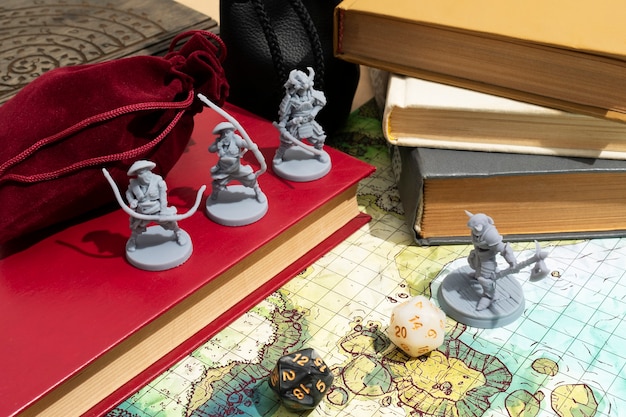
In the realm of tabletop role-playing games (RPGs), the ability to tailor the experience to fit personal narratives and character journeys is paramount. As players craft intricate backstories and immersive campaigns, the tangible nature of the game pieces plays a crucial role in storytelling. Custom 3D-printed miniatures add a powerful dimension to this, offering both uniqueness and personalization. This guide explores how these bespoke figurines can transform the gaming table into a world of imagination and creativity.
The magic of customization in role-playing games (RPGs) lies in the ability to create highly personalized experiences that deepen a player’s connection to their character and enrich the storytelling experience. Custom 3D-printed miniatures allow players to embody their characters in a tangible form, adding a layer of immersion that goes beyond traditional gameplay. By shaping miniatures to reflect the unique traits and backstories crafted by players, these figures bring fantasy worlds to life in an unprecedented way, offering a canvas for individuality and creativity within tabletop gaming.
The Printing Goes Ever On offers a vast array of customization options, specifically designed to enhance the player experience by allowing adventurers to physically manifest their creations with a high level of detail and uniqueness. This level of customization not only enhances storytelling by providing visual representation but also fosters a deeper emotional investment in the gameplay. Discover the possibilities for personalization and add a distinct flair to your RPG sessions by exploring the The Printing Goes Ever On miniatures. Whether you’re delving into dungeons or embarking on epic quests, custom 3D-printed miniatures transform your tabletop adventures into unforgettable narratives.
Designing your own 3D-printed miniatures elevates the experience of tabletop RPGs by infusing your unique creativity into the game. The journey begins with selecting the right software, which serves as the digital canvas for your miniature design. Popular choices like Blender, TinkerCAD, and ZBrush each offer unique tools tailored to different levels of expertise and specific needs in the creative process. Choosing the appropriate software is crucial, as it dictates how easily you can translate your imaginative visions into detailed 3D models. As you embark on the creation of your custom miniatures, take time to experiment with the features these programs offer, from sculpting and modeling to adding intricate details that enhance the uniqueness of your designs.
The next step involves the creative decision-making process, where you conceptualize the look and feel of your miniature in alignment with its role in your RPG narrative. This stage is all about blending artistic ideas with practical considerations, such as scale and functionality, which will ultimately influence the outcome of the 3D printing phase. Once satisfied with your digital design, it’s time to translate your conceptual work into a tangible model using a 3D printer. The thrill of seeing your custom miniatures come to life is unmatched, offering not just a tailored fit for your campaigns but also a personal touch that enhances the overall gaming experience. With the right approach, designing and printing your own miniatures can be a fulfilling way to deepen your immersion in the world of RPGs.
The advent of 3D printing technology has revolutionized tabletop gaming, particularly through the creation of custom miniatures for immersive RPG experiences. At the heart of this innovation is the diverse array of printer types and materials available to hobbyists and gaming enthusiasts alike. Fused Deposition Modeling (FDM) printers, for instance, utilize thermoplastic filaments to fabricate durable and detailed figures, perfect for the rigors of gameplay. Stereolithography (SLA) printers, on the other hand, use liquid resin and ultraviolet lasers to produce high-resolution models with intricate details, ideal for more demanding and artistic designs. These advancements in printer technology have made crafting personalized miniatures more accessible than ever before.
Access to a wider range of materials further expands the possibilities in 3D printing technology for tabletop gaming. From eco-friendly biodegradable plastics to flexible and impact-resistant polymers, the choice of medium can significantly enhance the durability and aesthetic appeal of miniatures. Innovations like multi-material printing and color blending allow creators to bring characters to life in vivid detail, providing an unparalleled level of customization. As a result, this technology not only encourages creativity but also deepens player engagement within the gaming universe. The ongoing advancements in 3D printing continue to redefine the boundaries of what is possible in tabletop gaming, ensuring that every battle map and fantasy world is as unique and immersive as the players’ imaginations.